




Spokeo Set — Wireless hearing assistant for seniors
30 days to change your mind
Free returns, no questions asked
Free shipping · Tax included
Care home or healthcare professional? 20% off from 5 sets
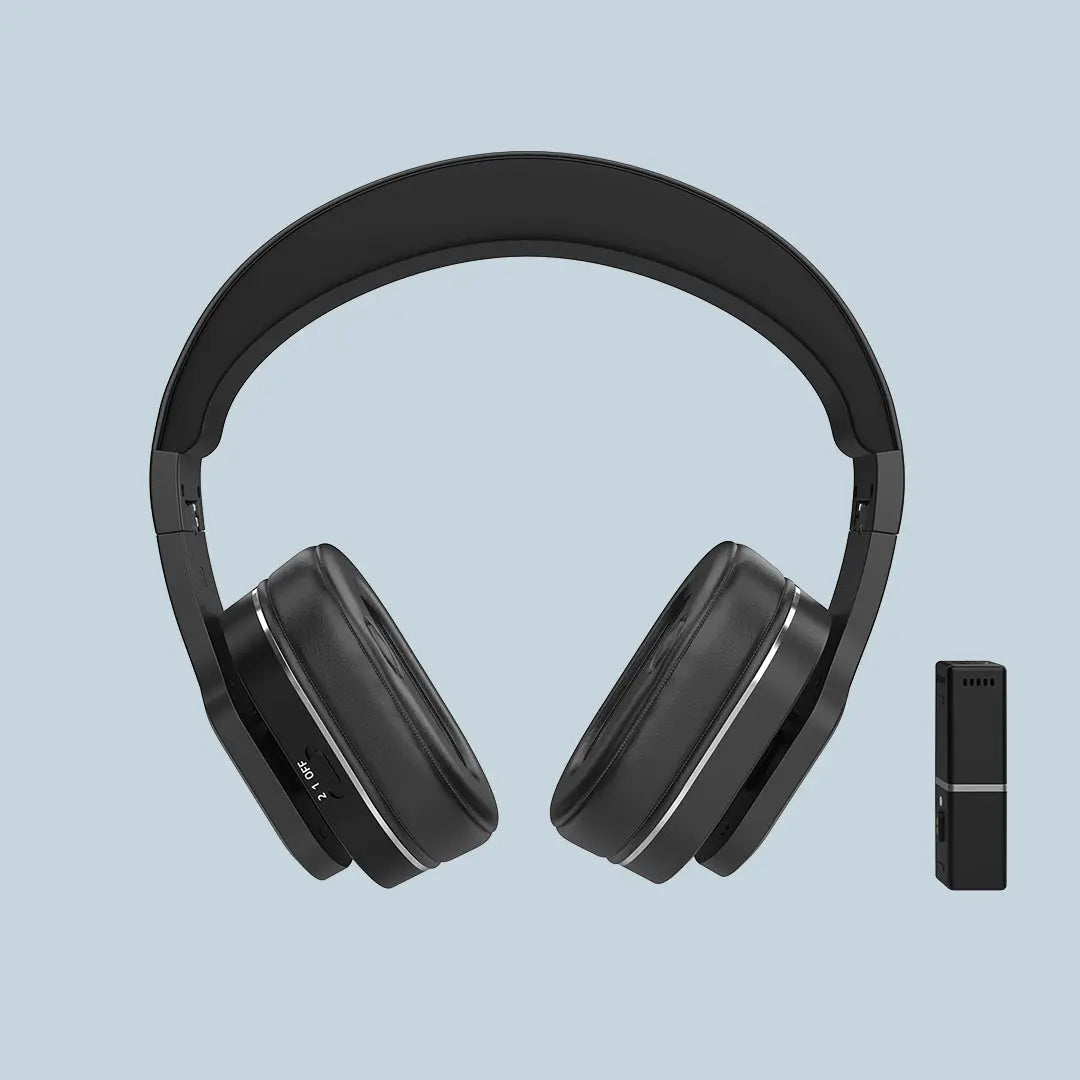
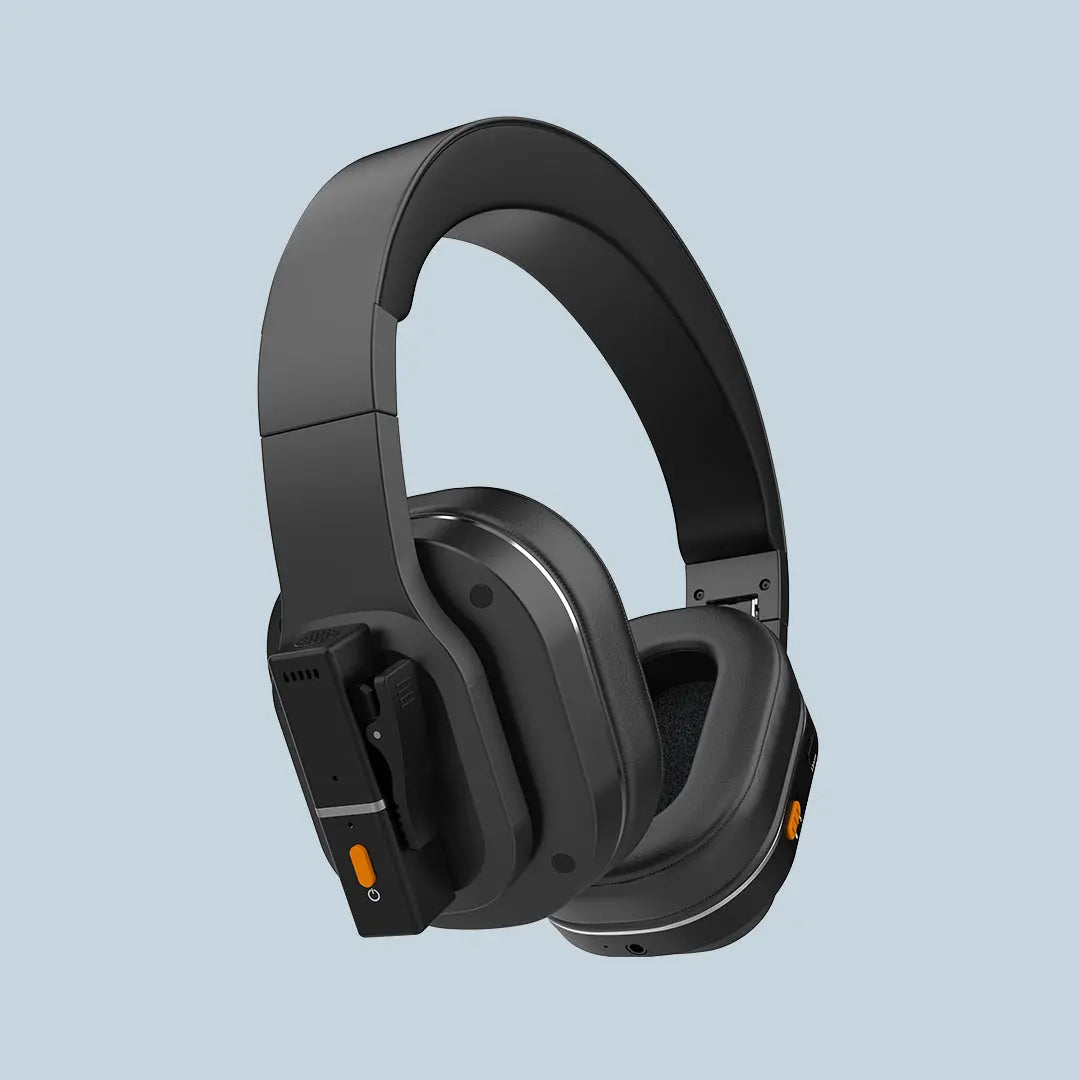
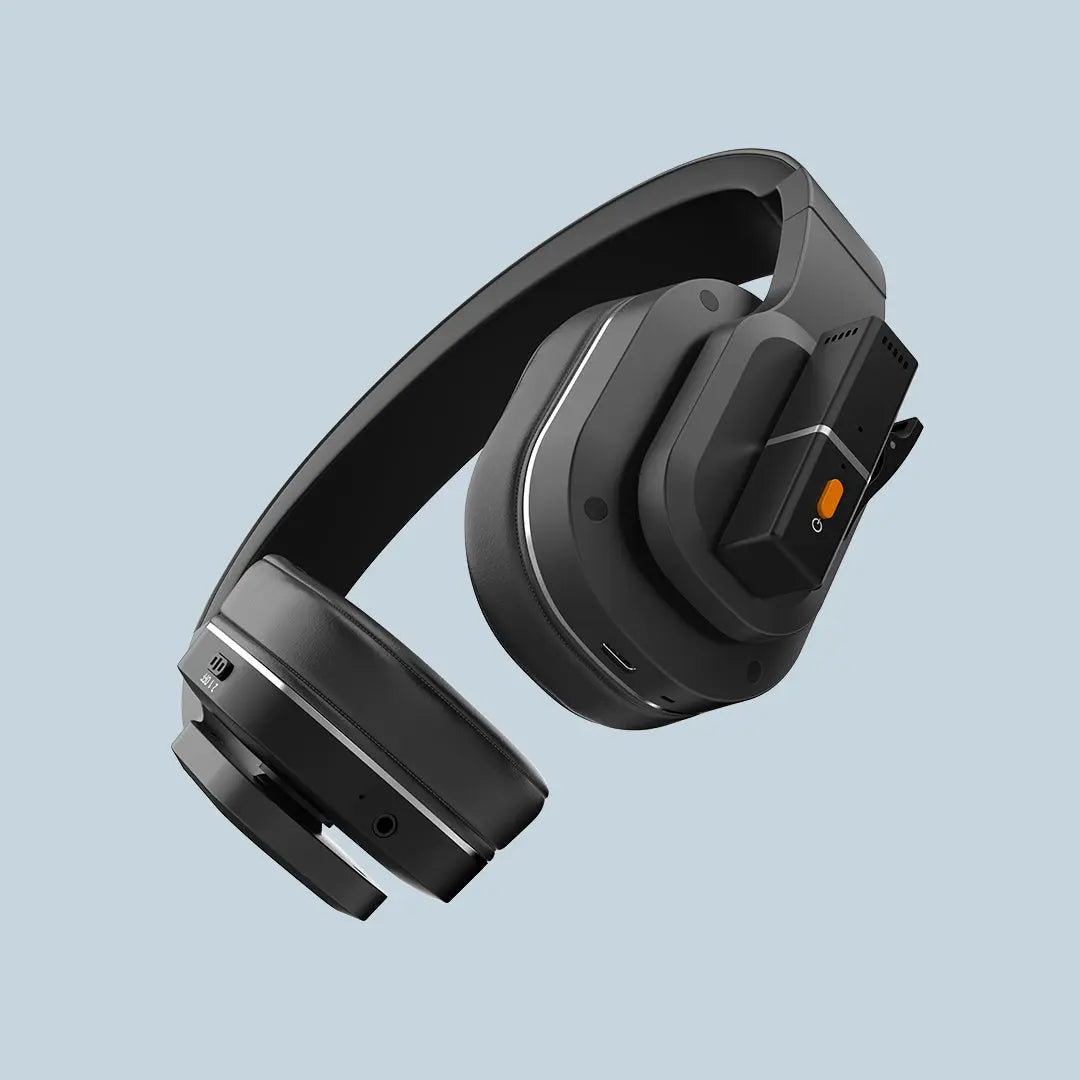
Spokeo is a next-generation wireless listening assistant that instantly clarifies the speaker's voice, at home, in care homes or at the doctor's. Its patented dual-conduction technology (air and bone) and its intelligent directional microphone make speech intelligible, with no settings or hearing test required. Recommended by healthcare professionals. Winner of the 2025 International Concours Lépine.
20% off applied instantly
off your order
€478,40 each
Included in a set
An innovative communication solution to streamline conversations.
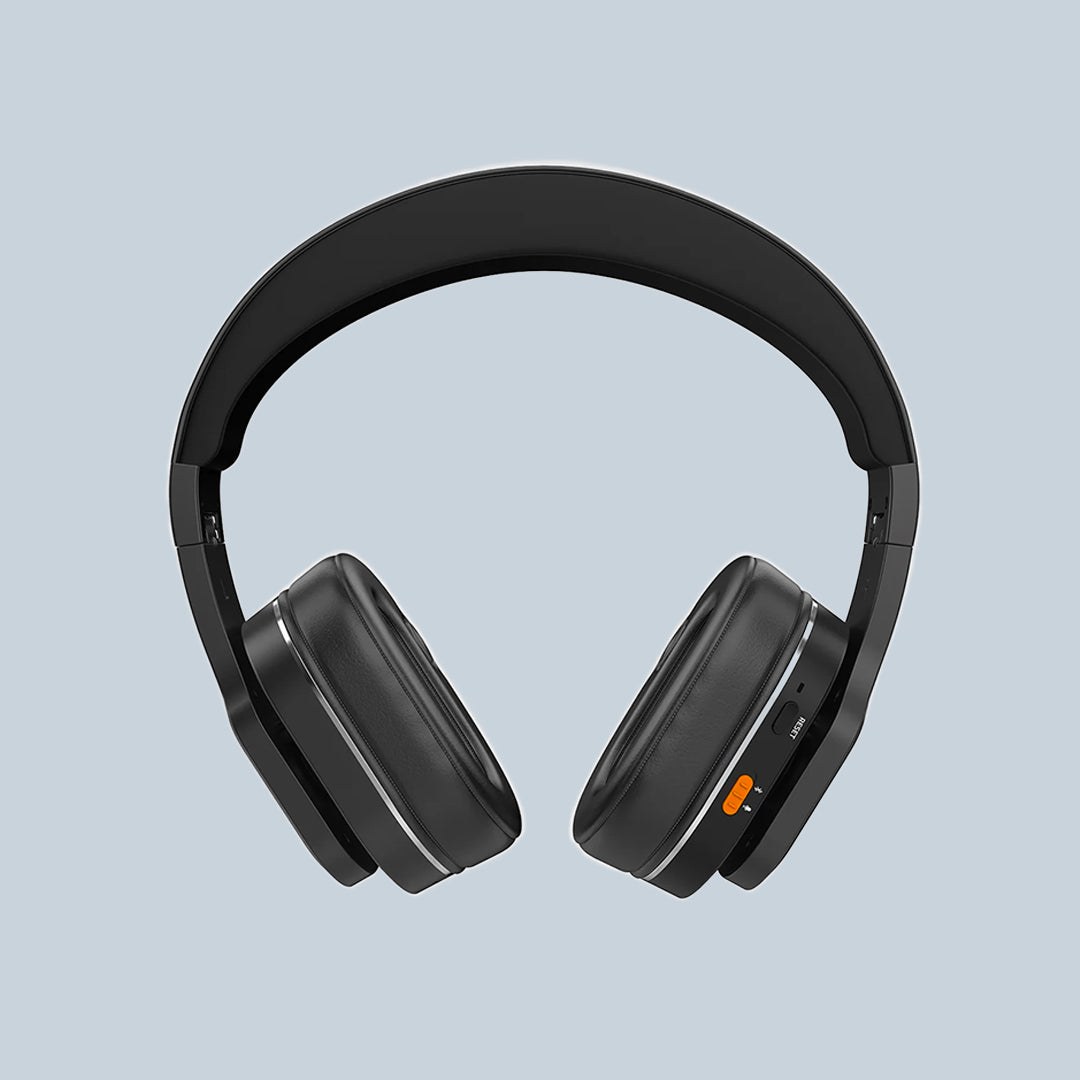
Sound Boost
High-definition listening experience with its two preset volume settings and patented technology of dual air and bone sound transmission.
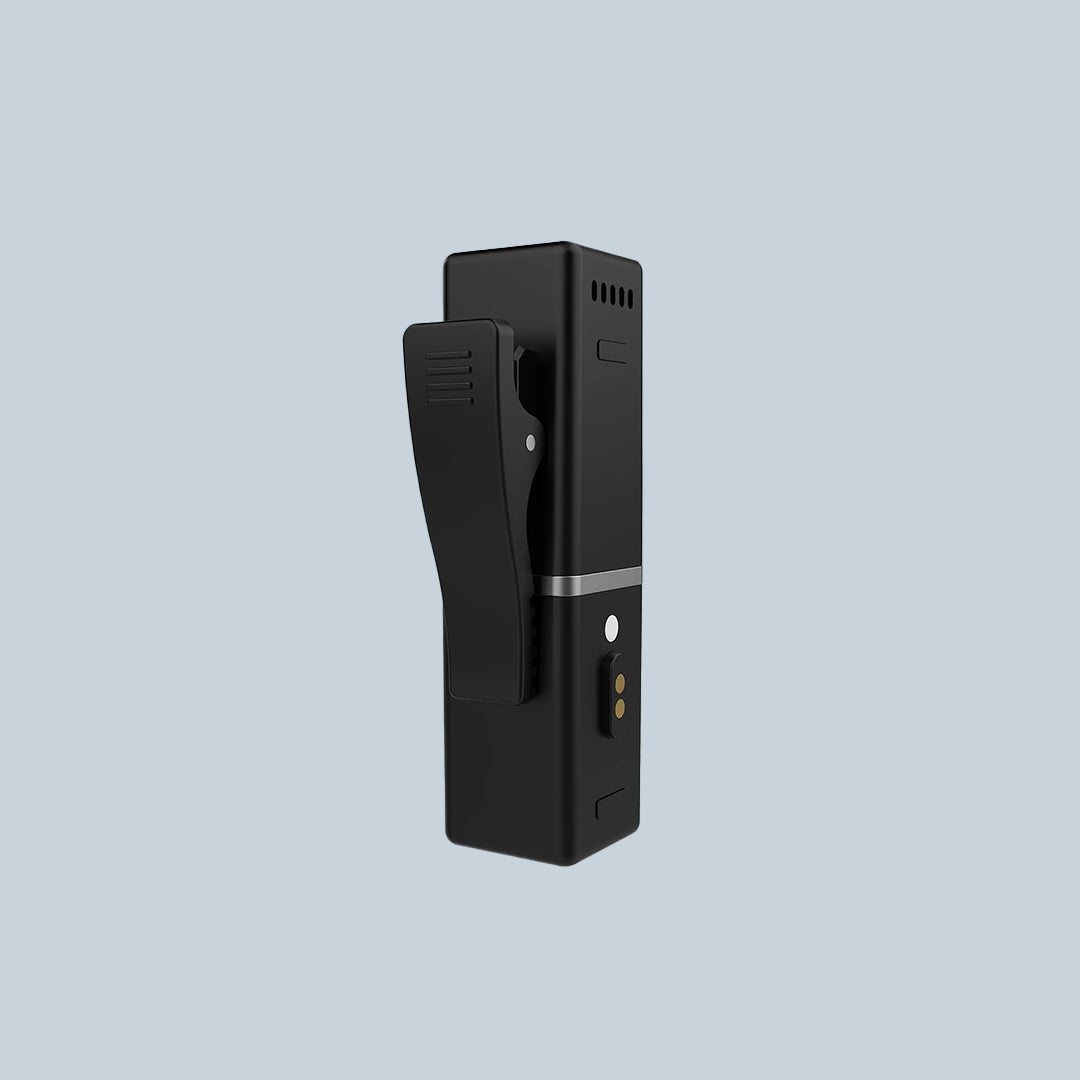
Smart Mic
Designed to optimize audio quality through voice capture, Smart Mic also allows its user freedom of movement with its Bluetooth technology.
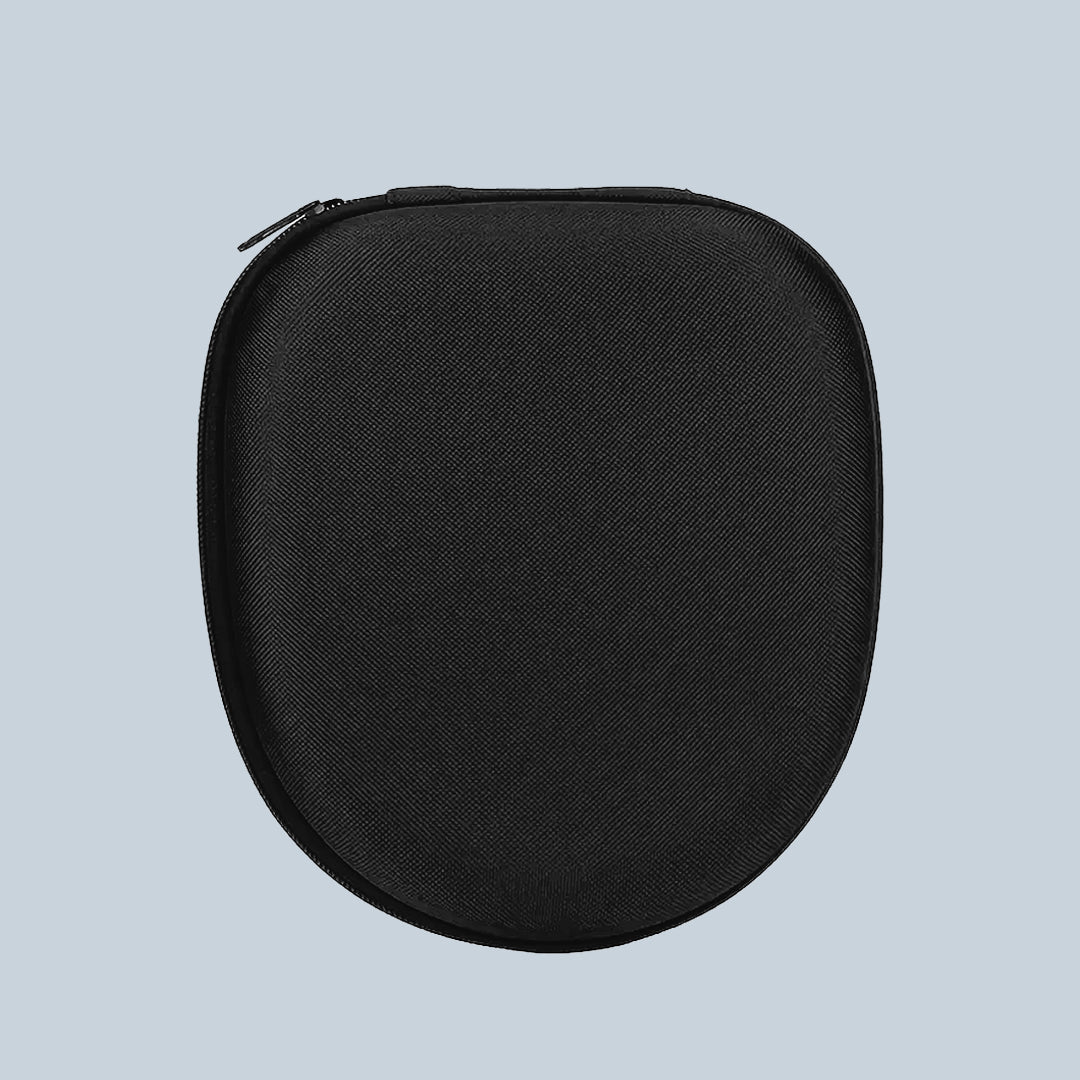
Carrying case
Take Spokeo with you on the go with its ergonomic carrying case.
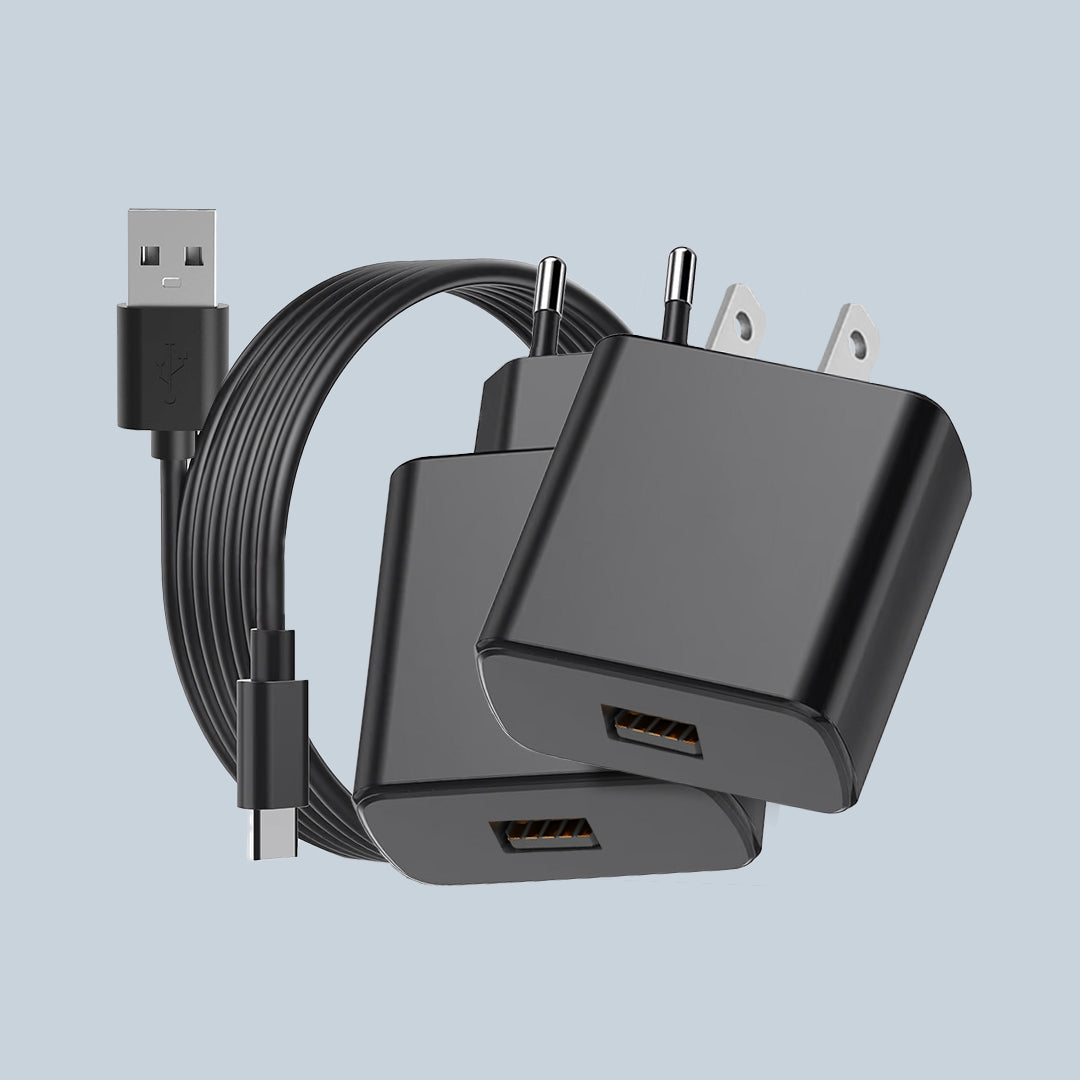
Cables and chargers
Spokeo comes with a 1.8m USB-A to USB-C cable and two wall chargers, one for Europe and the other for the USA.
Our commitments to you
Spokeo simplifies your daily life by enhancing communication with your loved ones, clients, or patients.
Spokeo is also committed to ensuring that your order proceeds smoothly.
Spokeo is already set up. It comes with a charger and cable.
Return your order within 30 days. No question asked.
Shipping is free worldwide.
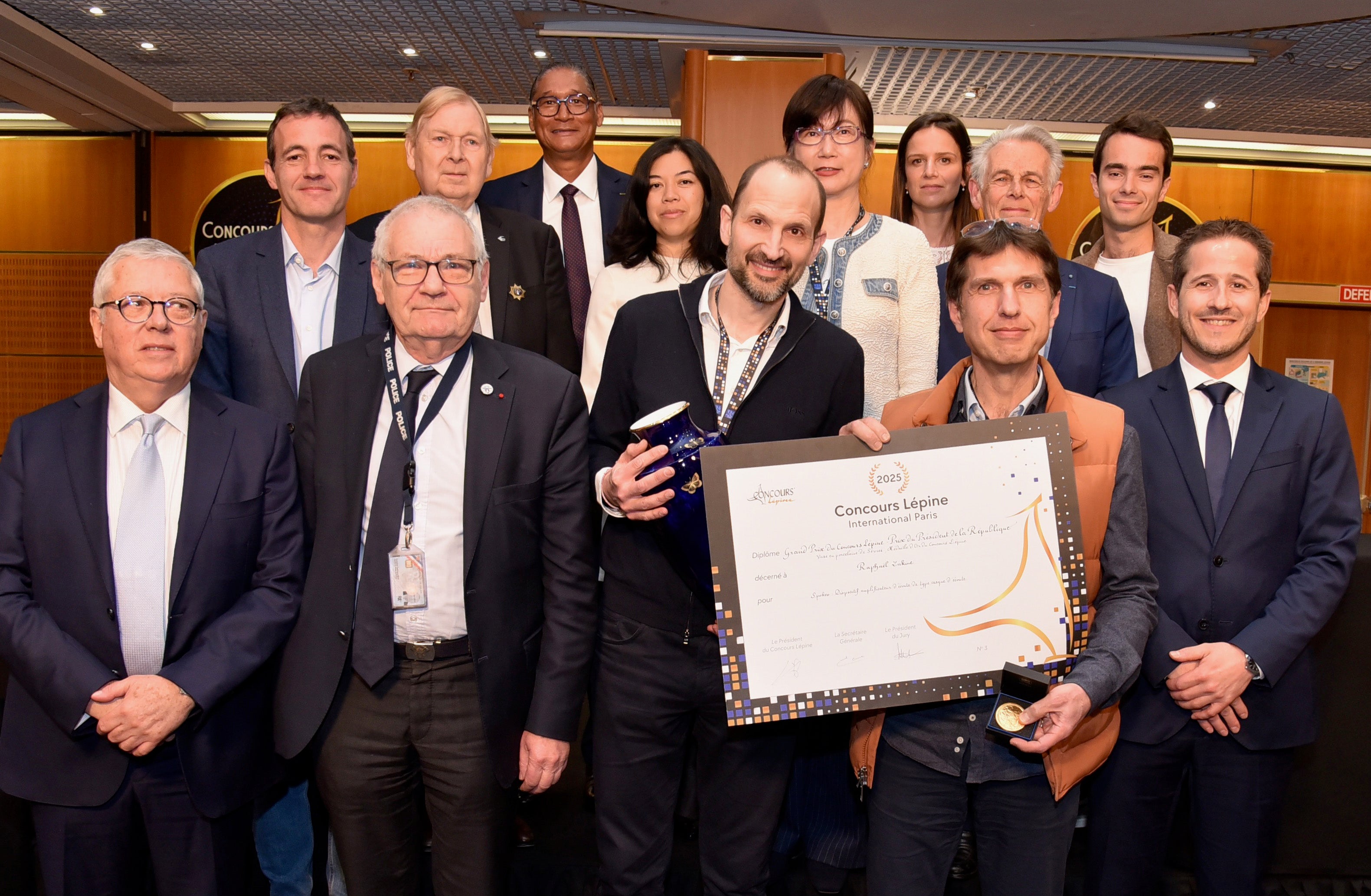
Spokeo: First Prize at the 2025 Lépine Competition for Revolutionizing Hearing
Is Spokeo right for your situation?
To avoid disappointment, here are the three situations where Spokeo isn't the right solution. If in doubt, call us at +1 218 772 2727 : we'll tell you honestly.
Your loved one can no longer hear at all
Spokeo amplifies and clarifies speech, but it cannot create hearing where none remains. In cases of profound or total deafness, no listening assistant can restore communication: that calls for a cochlear implant, to be assessed with an ENT specialist. However, if your loved one can still hear a little, even very poorly, Spokeo is made precisely for them.
Your loved one won't keep the headset on
At a very advanced stage of neurodegenerative illness, some people no longer tolerate wearing a headset and take it off straight away. If that's the case for your loved one, Spokeo won't be usable. But many disoriented people accept the headset very well, often better than an in-ear device: it's a familiar object, placed on in a few seconds by the carer.
Your loved one refuses all help
If your loved one actively refuses every solution, just as they already refused their hearing aids, Spokeo alone won't force acceptance. That said, refusal often stems from the discomfort and stigma of hearing aids: many reluctant people accept Spokeo precisely because it doesn't look like a hearing aid and is only worn occasionally, for the length of a conversation.
FAQ
What if Spokeo isn't right for my relative?
You have 30 days from delivery to send it back, with no explanation required. Simply email info@myspokeo.com with "refund request" and your invoice number: we send you a prepaid return label, so the return costs you nothing. You are refunded in full within 14 days of us receiving the parcel. The set only needs to come back complete and in good condition, in its original packaging, with the carrying case, the cable and the chargers.
How long will delivery take?
Allow 2 to 5 working days for mainland France, by tracked Colissimo, from payment confirmation. Indicative times are 4 to 8 working days for Belgium, Switzerland, Luxembourg and Germany, and 5 to 10 working days for the rest of the European Union. Shipping is free worldwide, with no minimum order value, and you receive a tracking number as soon as the parcel is dispatched.
Is Spokeo covered by a warranty, and what if it breaks down?
The set is covered by the two-year legal warranty of conformity from delivery, as well as the legal warranty against hidden defects. Should you run into any difficulty, our French customer service is available Monday to Friday, 9am to 5pm, on +33 1 83 64 72 27 or at info@myspokeo.com. Our customer support page also gathers the most common troubleshooting steps, which resolve the majority of situations without returning the product.
What is the difference between Spokeo and a traditional hearing aid?
A hearing aid is a personalised medical device designed for permanent use. In many countries, hearing aids may be partially or fully covered by public health insurance. They are an effective solution, managed by qualified audiologists. Spokeo is a complementary listening assistant (PSAP) designed for occasional use: medical consultations, family meals, conversations in care homes. It requires no prescription and no fitting — simply turn on the headset and the microphone, which connect automatically. Its patented bi-conduction technology (air + bone conduction) and directional HD microphone isolate the speaker's voice for immediate understanding. Spokeo does not replace a hearing aid: it addresses situations where traditional fitting is absent, poorly tolerated, or insufficient.
Who is Spokeo designed for?
Spokeo is designed for anyone experiencing hearing comprehension difficulties, particularly seniors with mild to moderate hearing loss. It is especially suited for people who do not wish to or cannot wear traditional hearing aids, including those with cognitive impairments or reduced dexterity. Spokeo is also widely used by family caregivers, care home staff and healthcare professionals (doctors, nurses) who want to improve communication with their hearing-impaired patients. The microphone is worn by the speaker, which makes Spokeo unique: it facilitates the conversation for both parties.
Does Spokeo work in noisy environments?
Yes. Spokeo's directional HD Smart Mic captures only the voice of the person wearing it, filtering out background noise. Unlike a hearing aid that amplifies all surrounding sounds, Spokeo isolates speech through the proximity and directionality of the microphone. This makes it particularly effective in noisy settings: common rooms in care homes, restaurants, family gatherings or medical offices. The sound is then transmitted via Bluetooth to the Sound Boost headset, which delivers it through dual conduction (air + bone) for optimal clarity.
Is Spokeo suitable for elderly people in care homes?
Yes, Spokeo was specifically designed to meet the needs of facilities caring for elderly residents. In care homes, an estimated 65% of residents with hearing loss do not wear hearing aids, for various reasons: cognitive impairment, handling difficulties, refusal to wear devices, or repeated loss and breakage. Spokeo solves this problem with ultra-simple operation (no settings, automatic connection) and a familiar headset format. The carer or visitor wears the clip-on microphone, the resident wears the headset: the conversation becomes immediately clear. 90% of caregivers using Spokeo report time savings and fewer repetitions. Many care homes and senior residences have already adopted it for daily care, medication distribution and medical consultations.
What is the price of Spokeo and is a prescription required?
The Spokeo kit costs €598 including VAT, with free worldwide shipping. No prescription is needed: Spokeo is a listening assistant (PSAP category — Personal Sound Amplification Product), not a medical device. It is therefore immediately accessible, without any audiologist fitting. It is not reimbursed by public health insurance, but its price is 3 to 5 times lower than a traditional hearing aid. For healthcare facilities (care homes, hospitals), funding may be available through care budgets or dedicated grants. A 30-day money-back guarantee is offered on myspokeo.com.
How does Spokeo's bi-conduction technology work?
Spokeo uses a patented technology combining two modes of sound transmission: air conduction (sound passes through the ear canal, like a conventional headset) and bone conduction (sound vibrations are transmitted directly to the inner ear via the skull bones). This dual transmission ensures optimal sound quality even in cases of earwax build-up or partial obstruction of the ear canal, which is common among elderly people. The Sound Boost headset delivers sound through bi-conduction, while the directional HD Smart Mic captures the speaker's voice by filtering out ambient noise, with a Bluetooth range of 10 metres.
Can Spokeo be used alongside existing hearing aids?
Yes, absolutely. Many users who already wear hearing aids use Spokeo as a complement in situations where their devices are not enough: noisy environments, important medical consultations, family meals, or when they want to give their ears a rest. Spokeo's bone conduction headset can be worn without interfering with traditional in-ear hearing aids. Spokeo can also connect via Bluetooth to a television, allowing comfortable listening without disturbing others — a solution particularly appreciated by couples where one partner has hearing loss.
Is Spokeo recommended by healthcare professionals?
Yes. Many doctors, geriatricians, ENT specialists and caregivers recommend Spokeo to facilitate conversations with their hearing-impaired patients. 87% of healthcare professionals who have tested Spokeo say it improves the quality of exchanges and makes it easier to obtain informed consent during consultations. Spokeo also received the First Prize at the Concours Lépine International 2025, a distinction that rewards innovation and practical utility. The product is used in medical centres, private practices and care facilities.
Safety and compliance
Spokeo is a consumer listening assistant. As an electronic device, it meets the main safety, electromagnetic compatibility and environmental regulations:
- CE: electrical safety, electromagnetic compatibility and radio equipment (European Union)
- UKCA: conformity for the United Kingdom
- FCC: radio and electromagnetic compliance for the United States
- RoHS: restriction of hazardous substances in electronics
- WEEE: collection and recycling of electronic equipment at end of life
These conformities attest to the device's build quality and safe use. They do not constitute medical device certification: Spokeo remains a listening assistant, usable without a prescription.